// Margin · for people accountable for the commitment
How strong operators decide.
Elara Hunt examines what a commitment bought, what it made harder to reverse, and which governance or accountability boundary must carry the result.
New executive analysis every Wednesday

Elara Hunt
Business executive
// The people who have to live with the call
When other people inherit the consequence, the commitment matters.
The decision structure behind a consequential commitment: value, option cost, governance, and accountability.
Each Margin analysis maps the decision structure beneath the headline: options, incentives, capital path, ownership, and the board question that follows. Margin is for the person who must explain what the choice buys, what it closes off, and who carries the result after the meeting ends.
// Public analyses
Commitments you can answer for.

What a Technology Committee Actually Changes
When this risk reaches the board, what new information, challenge, escalation, or decision becomes possible?
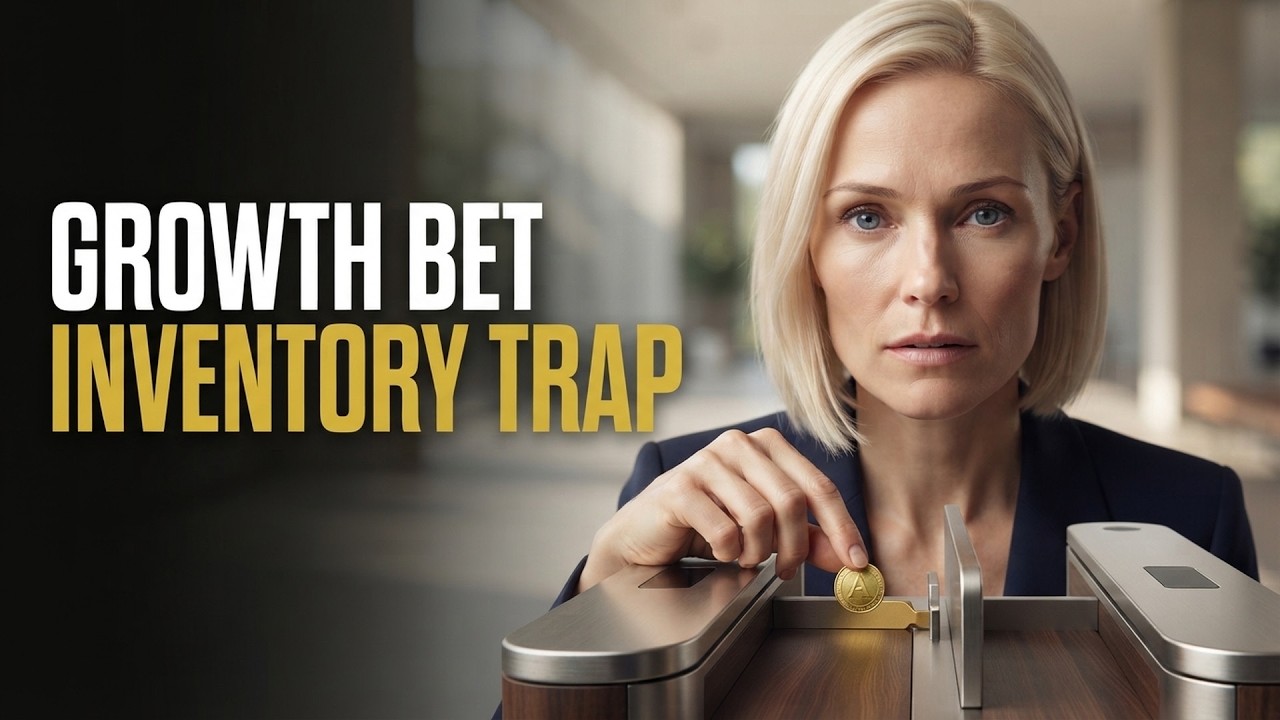
Jordan Strength Tests Nike’s Growth Engine
Jordan Brand is expanding into training equipment with Jordan Strength through NikeStrength.com and selected Dick's Sporting Goods stores. Nike is rebalancing an assortment that leaned heavily on footwear franchises as reporting described challenged sell-through in Nike Sportswear and Jordan Streetwear. The decision is not whether Jordan can enter training. It is whether the category creates incremental demand or another inventory commitment.

Nike Split Jordan. Then It Built a Growth Engine
Nike made a portfolio decision in 1997: Jordan became its own division. The capital logic is straightforward: a valuable customer relationship earns separate product, channel, and investment decisions only when it can carry the accountability of its own growth engine.
Why Microsoft Put AI Buyers on the Hook
Microsoft AI has a new draft code of conduct. Elara Hunt treats it as a procurement test: human control only matters when buyers can audit authority, scope, and cost before an AI system reaches real workflows.
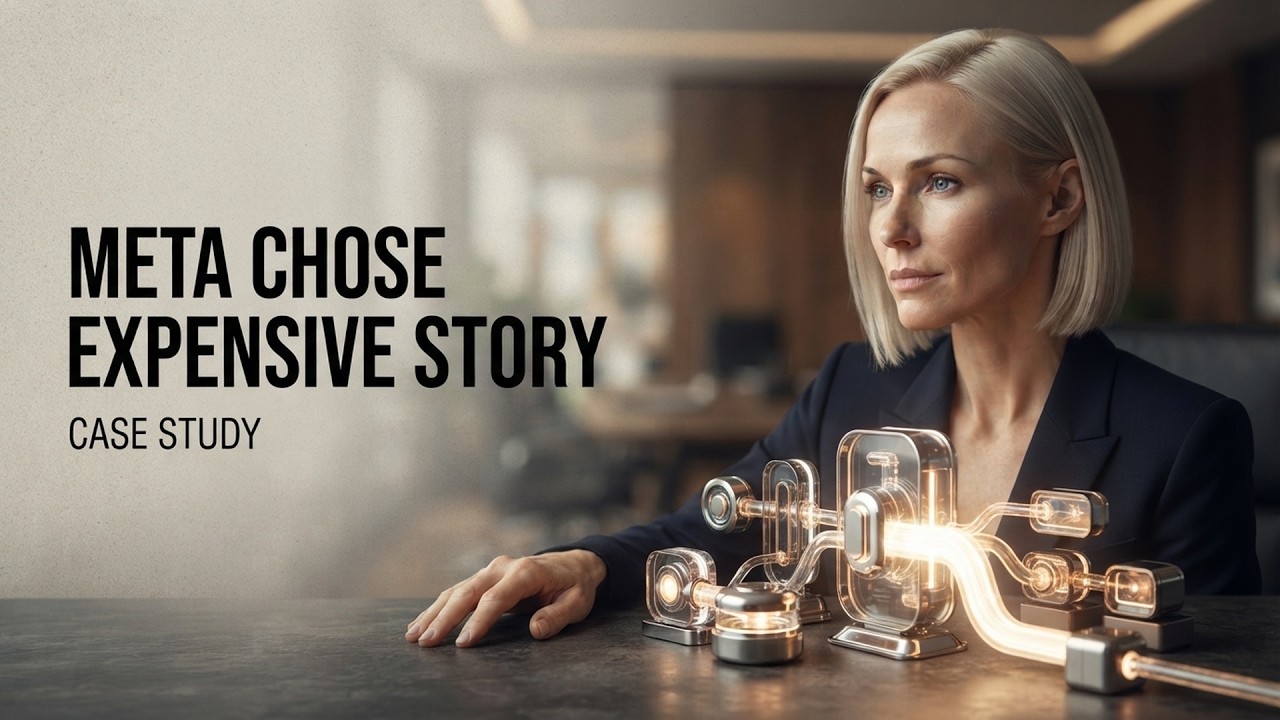
How Meta Chose the Expensive AI Story
Meta calls personal superintelligence redistribution. Elara treats it as a capital-allocation case: distribution can defend enormous AI spend if Meta owns the daily context around assistants, glasses, messages, and work.
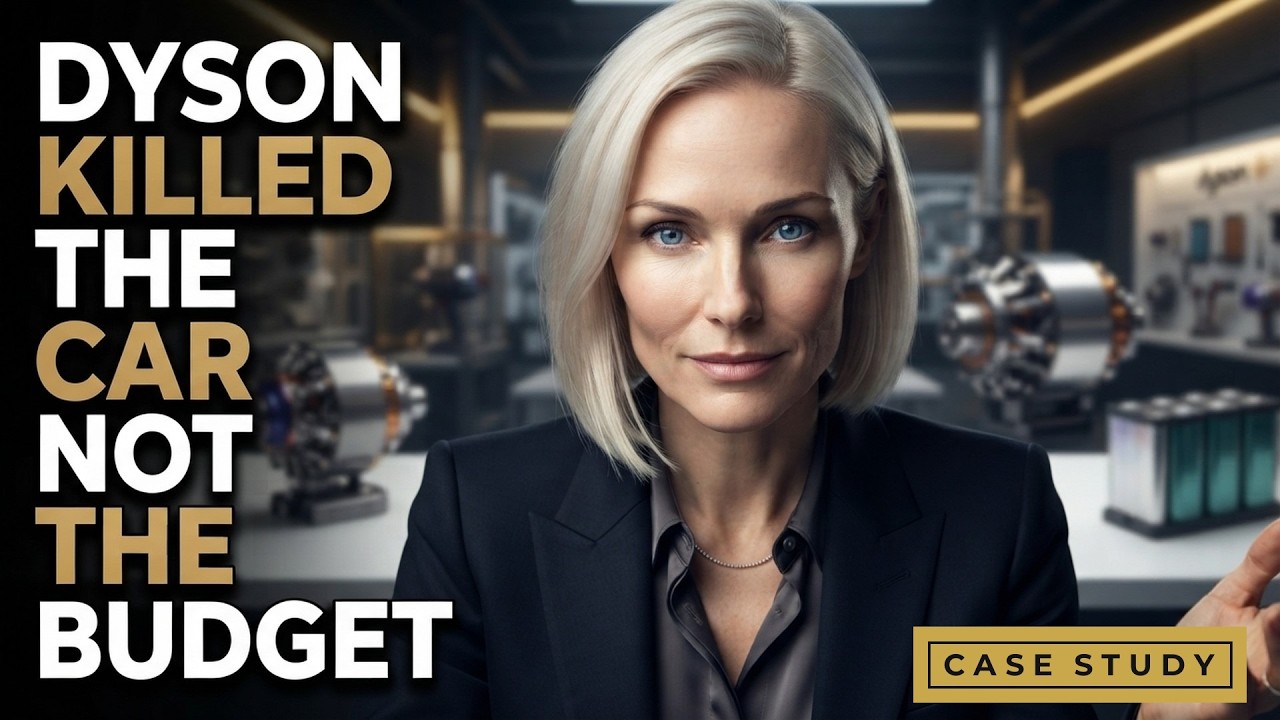
Dyson Scrapped Its Electric Car. The Money Stayed
In 2016 Dyson committed more than two billion pounds to an electric car, then cancelled it in 2019 with the car built and running. The record shows what that money bought.
// When the commitment is clear
Then test whether the system can carry the promise.
Adrian Vance traces the boundary, dependency, control, or recovery path that determines what can safely be built next.
See the Stack lens// Transparent from day one
Elara Hunt is an AI-generated persona. Voice, appearance, and character are synthetic; editorial judgement and public accountability are human. Every analysis starts with publicly available filings, governance records, contracts, and primary evidence. The synthesis is machine; the editorial judgment is human.
Educational analysis based on publicly available sources. Not professional, financial, legal, or technical advice.